
Understanding the psychological factors that drive gambling behavior
The Allure of Risk and Reward
The thrill of gambling often stems from the human desire for risk and reward. Many individuals are drawn to the excitement that comes with uncertainty, as it evokes a sense of adventure. This psychological aspect is deeply rooted in our evolutionary background; the pursuit of rewards has always been a fundamental part of survival. In gambling, the possibility of winning enhances this thrill, creating a potent mix that captivates players. Moreover, finding resources on non gamstop casinos uk can further enrich one’s understanding of this fascinating world.
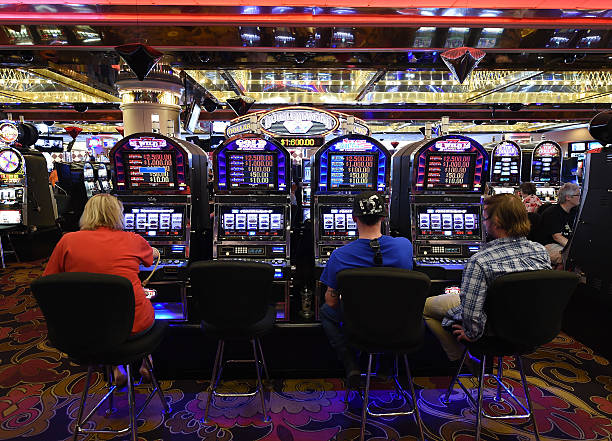
Additionally, the anticipation and suspense of waiting for the outcome can heighten emotional responses, leading to a rush of adrenaline. This excitement can be addictive, compelling individuals to return for more, often despite the inherent risks involved.
The Role of Cognitive Biases
Cognitive biases play a significant role in shaping gambling behavior. For instance, the illusion of control leads many gamblers to believe they can influence the outcome of games of chance, such as slots or roulette. This false sense of agency can encourage continued play, as individuals may think they are „due“ for a win. Such biases can cloud judgment and lead to unrealistic expectations about winning.
Moreover, gamblers often fall prey to the gambler’s fallacy, the belief that past outcomes can affect future results. This misconception can reinforce gambling habits, as players might rationalize their losses or chase wins, leading to a cycle of behavior that is difficult to break.
The Influence of Social Factors
Social dynamics significantly impact gambling behavior. Group settings, such as casinos or online gaming platforms, create an environment where individuals feel a sense of belonging and shared excitement. This social interaction can amplify the enjoyment of gambling, fostering camaraderie among players and encouraging participation.
Additionally, the influence of peers can push individuals to gamble more than they might on their own. The normalization of gambling within social circles often leads to increased participation, with individuals feeling pressured to conform to group behaviors, further entrenching their gambling habits.
The Impact of Emotions and Mental Health
Emotions play a crucial role in gambling behavior, with many individuals using gambling as a way to cope with stress, anxiety, or depression. The temporary escape that gambling provides can be appealing, leading individuals to gamble as a means of emotional relief. However, this can create a detrimental cycle where gambling becomes a primary coping mechanism.
Mental health issues can exacerbate gambling tendencies, making it challenging to stop. Understanding the underlying emotional triggers is vital for addressing gambling behavior and developing healthier coping strategies. Seeking professional help can be essential for those who find themselves trapped in this cycle.

Resources for Understanding Gambling Behavior
For individuals seeking to understand more about the psychological factors driving gambling behavior, there are numerous resources available. Websites, articles, and professional organizations offer valuable insights into the complexities of gambling psychology. Educational platforms can provide support and guidance for those looking to explore this topic further.
By fostering a deeper understanding of the psychological elements at play, individuals can make informed decisions about gambling. It’s essential to recognize the impact of these factors on behavior and to seek help if gambling becomes problematic.